
- Best Overall: Programmable drip coffee maker with thermal carafe — Households who want a great pot with zero fuss
- Best for Espresso: Semi-automatic espresso machine with steam wand — Espresso and milk-drink lovers willing to learn
- Best Single-Serve: Single-serve pod or capsule brewer — Solo drinkers and offices wanting speed
- Best Manual / Budget: French press (press pot) — Flavour seekers on a tight budget
The 'best' coffee maker depends entirely on how you drink coffee. A pour-over fan and a busy parent grabbing one cup on the way out need very different machines. We break the market into the types that matter, score each on flavour potential, convenience, and long-run cost, and tell you which one fits your routine.
Our top picks
We chose these based on the criteria below. Product types are described generically so the advice stays useful across brands and model years; see each pick on Amazon for current pricing and availability.
Programmable drip coffee maker with thermal carafe
Best for: Households who want a great pot with zero fuss ·
What we like
- Thermal carafe keeps coffee hot without a scorching hot plate
- Programmable timer for wake-up brewing
- Even saturation for balanced flavour
- Low cost per cup with ground coffee
Watch-outs
- Less flavour control than manual methods
- Thermal carafes can drip slowly when pouring
The default best choice for most kitchens.
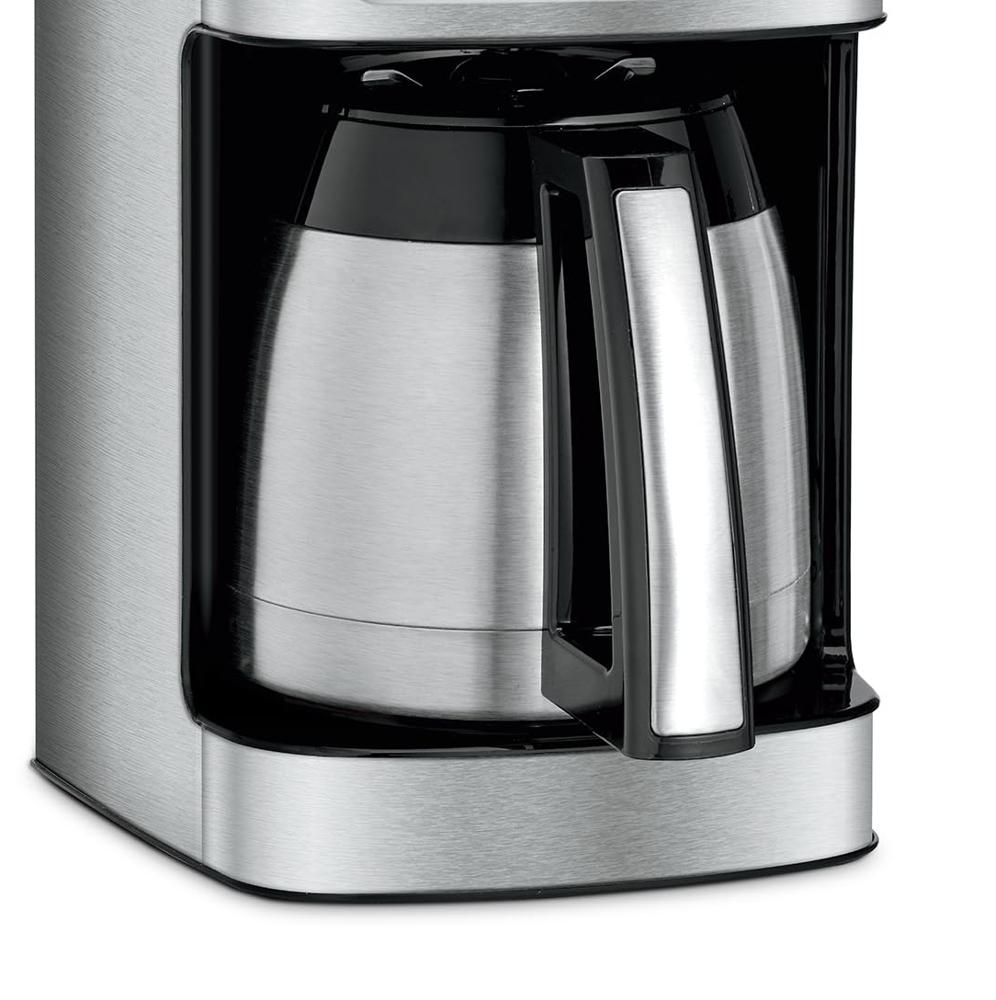 Best Overall: Cuisinart 12-Cup Programmable Thermal Carafe Coffee Maker
View on Amazon → Check price on Amazon → Sponsored link · we may earn a commission
Semi-automatic espresso machine with steam wand
Best for: Espresso and milk-drink lovers willing to learn ·
What we like
- Real pressure-brewed espresso and microfoam milk
- Huge upgrade in flavour over pods
- Endlessly tweakable once you learn it
Watch-outs
- Steep learning curve and dial-in time
- Needs a decent grinder to shine
Pair with a burr grinder for best results.
 Best for Espresso: Breville Bambino Plus Espresso Machine with Steam Wand
View on Amazon → Check price on Amazon → Sponsored link · we may earn a commission
Single-serve pod or capsule brewer
Best for: Solo drinkers and offices wanting speed ·
What we like
- One fresh cup in under a minute
- No measuring, minimal cleanup
- Compact footprint
Watch-outs
- High cost per cup
- Pod waste unless you use refillable filters
Use a reusable pod to cut cost and waste.
 Best Single-Serve: Keurig K-Classic Single Serve K-Cup Pod Coffee Maker
View on Amazon → Check price on Amazon → Sponsored link · we may earn a commission
French press (press pot)
Best for: Flavour seekers on a tight budget ·
What we like
- Rich, full-bodied coffee with no electronics
- Almost nothing to break
- Very low cost per cup
Watch-outs
- Requires a few minutes of attention
- Sediment in the cup if ground too fine
The best flavour-per-dollar in coffee.
 Best Manual / Budget: Coffee Gator Stainless Steel French Press Coffee Maker
View on Amazon → Check price on Amazon → Sponsored link · we may earn a commission
How to choose coffee makers
Before you compare specific picks, weigh up the factors below. They are the ones that genuinely affect how happy you will be in daily use — in roughly the order most buyers should prioritise them.
Brew method matches your taste
Drip is effortless and great for a pot. Espresso machines reward effort with concentrated shots. Pour-over and French press give the most control over flavour. Pick the experience you want daily.
Temperature stability
Coffee extracts best around 195–205°F (90–96°C). Machines that hold a stable temperature in this band taste noticeably better than cheap units that brew too cool.
Cost per cup over time
Pod machines are convenient but pods are expensive and wasteful. Ground-coffee brewers cost more up front in effort but far less per cup.
Capacity and footprint
A 12-cup carafe suits households and entertaining; a single-serve unit saves counter space and waste for solo drinkers.
Cleaning and maintenance
Removable, dishwasher-safe parts and easy descaling keep a machine tasting good for years. Hard-to-clean machines get abandoned.
Build quality and warranty
Boilers, pumps and carafe seals are the parts that fail. A solid warranty and a known service path matter on pricier espresso machines.
How they compare
Specs and jargon, explained
The terms you will see on spec sheets, in plain English:
| Term | What it means for you |
|---|---|
| Carafe type (glass vs thermal) | Glass sits on a hot plate that can scorch coffee; thermal (stainless, vacuum) keeps it hot without cooking it. |
| Bar pressure (espresso) | Espresso needs ~9 bar at the puck. Machines advertise 15–20 bar pumps; that headroom is normal, real brew pressure is regulated lower. |
| Brew temperature | Target 195–205°F. Many budget drip units brew cooler, which under-extracts and tastes weak. |
| Capacity (cups) | A 'cup' here is ~5 oz (150 ml), not a mug. A '12-cup' carafe is about 60 oz. |
| Bloom / pre-infusion | A pause that wets grounds before full brewing, releasing CO2 for more even extraction. A nice-to-have on better drip machines. |